
What to put in a field service scope of work
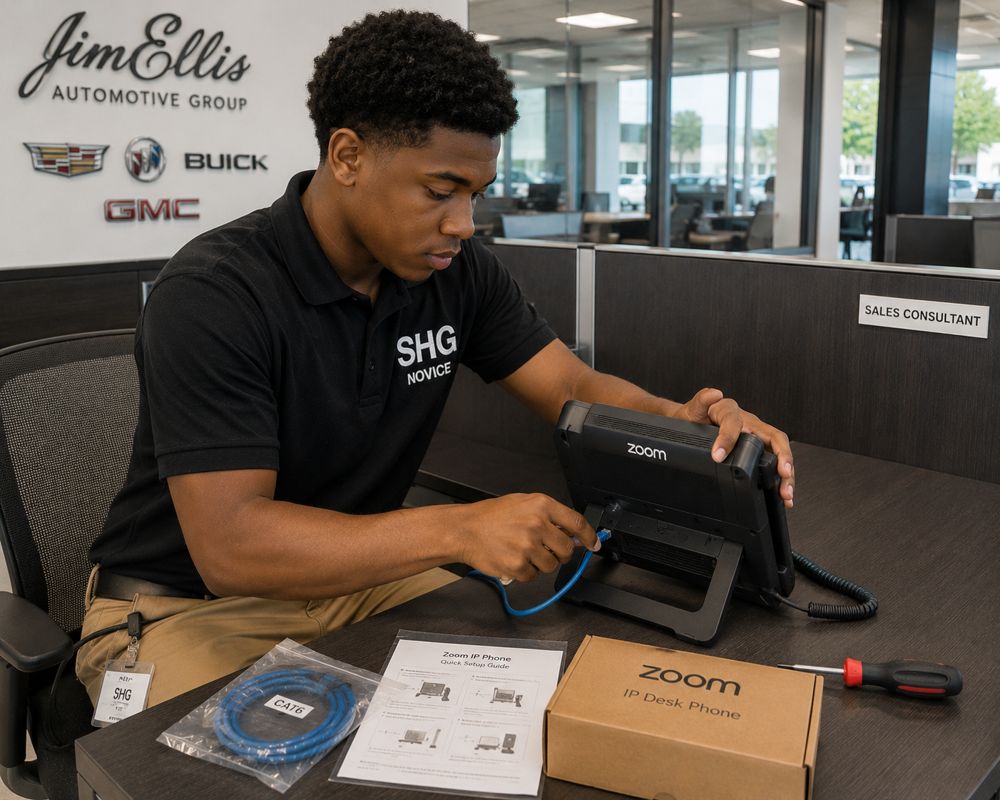
Most field service problems start before the technician arrives. When a scope of work is vague, the technician on site has to guess, call for direction, or leave the job half done. A few minutes spent on the SOW saves hours of back and forth.
Start with the site: the full address, the on-site contact and their phone number, parking and access instructions, and any building or security requirements. If the work happens after hours, say who will let the technician in.
Then describe the work itself. List the equipment involved with models and quantities, what should be installed, moved or replaced, and what “done” looks like. If the work must be tested, name the test and who signs off.
Finally, cover the logistics: where parts ship and when they arrive, what to do with old equipment, the service window, and how the technician should report completion. Ask for photos, serial numbers or port maps up front if you need them.
A good provider will read your SOW back to you and flag gaps before dispatch. If yours doesn’t, that is worth asking about.